Community and criminality: LGBTQ+ attitudes in Kenya and the UK
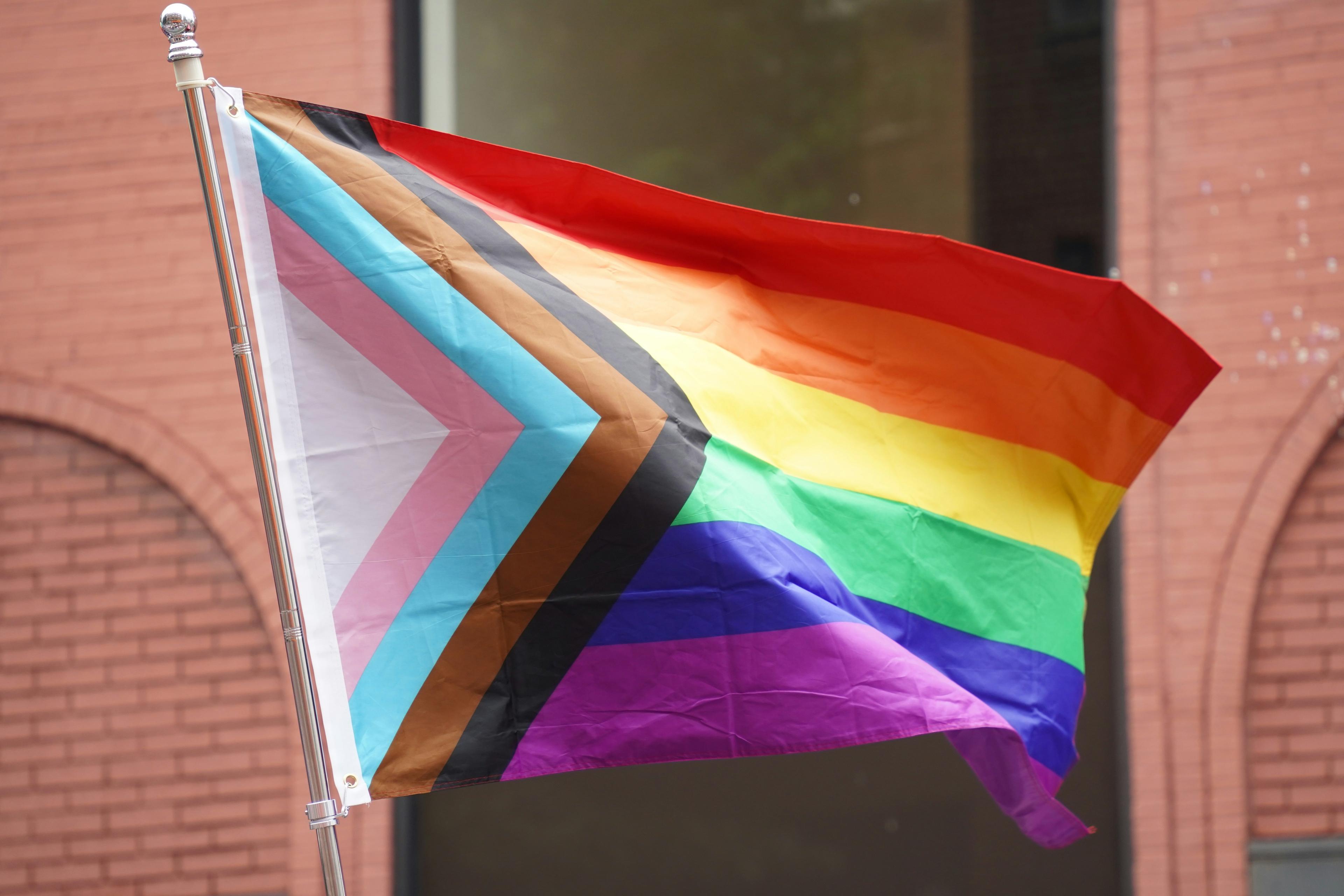

Photo by Tong Su
By Rose
- Lived experience
The following article is part of INSP’s Changing the Narrative series. It has been written as the result of the new journalism training academy, established in 2025 by INSP to provide people with direct experience of homelessness and poverty the opportunity to learn about journalism and the media, and to enhance their storytelling and written abilities. The training academy has two ambitions: to challenge media and public misconceptions about homelessness; and to tackle the lack of representation and diversity in newsrooms.
My story is about LGBTQ+ (lesbian, gay, bisexual, trans gender, queer+) legal and cultural differences between Kenya, my country of origin, and the United Kingdom.
In Kenya, the law criminalises same sex acts: laws that were inherited from the British. This penal code goes back to the British colonial era, but it’s not been fully implemented or reviewed since independence, which was established way back in 1963.
In Kenya, people believe that a boy and a girl should get married, because it’s a rite of passage and marriage is considered sacrosanct. That isn’t the same in the UK, where the law has evolved since colonial times. The UK’s laws provide legal protection and rights for the LGBTQ+ community: laws that have provided safety and allowed same sex couples to be able to live freely.
In Kenya, same sex relationships are illegal, and also considered an abomination to society. Breaking these laws in Kenya may lead to 14 years of imprisonment. Also, these laws mean that gay people always need to be cautious and avoid any public displays of affection, which can raise eyebrows from members of the community. That disapproval in turn may lead to the person being shamed or rejected from their own community. It can even put someone’s life in danger.
Because people who have same sex relationships in the UK are protected by the law, you can display your affection publicly with your partner or spouse without facing any imprisonment. Some members of the public might judge you, but you will still be safe and protected by the government.
The differences between the countries are huge. I was so shocked when I came to the UK and saw same sex couples holding hands in public spaces like buses and shopping centres. I couldn’t believe that they could display their affection without the police harming them or society being appalled.
In Kenya, it is rare to face prosecution under same sex legislation because the police often use other public order laws for harassment and discrimination. As a result, LGBTQ+ people in Kenya must always remain discreet about their sexual identity because they fear the laws of the nation. His excellency President William Samoei Ruto himself states that the culture and religion we come from does not allow same sex people to come together.
In the UK, the laws of the country do protect the rights of LGBTQ+ people, which allows them to have a safe society to live in. Also, in the UK, people are not deeply religious like the ancient people of Kenya. Here in the UK, it seems like things have really evolved, and everyone has the right to choose their religion. In Kenya, you are forced into religion and cultural norms, which means nothing ever changes from the times of colonial rule.
When we also talk about the social environment in Kenya, LGBTQ+ people face hostility, plus a very high level of social stigma and anti-LGBTQ+ sentiment. Safety concerns are always significant, with regular reports of violence, harassment and rape. In the UK, the social environment is more tolerant, accommodating and accepting, because over the decades, attitudes have really changed. Although discrimination, hate and anti-LGBTQ+ crimes do occur, they don’t happen often. In fact, the UK was ranked 22 out of 49 European countries on the ILGEA-Europe rainbow map for robust legal and policy practices.
When it comes to LGBTQ+ advocacy groups, in the UK, they operate very freely and very openly. Unlike in Kenya, LGBTQ+ people don’t really need to hide away in the UK anymore; they live openly, support each other and play a key role in always fighting for their rights. Advocacy groups in Kenya scored a recent victory in the country’s high courts to be allowed to register as Non-Governmental Organisations. But despite that victory, advocacy remains very challenging - it requires a lot of caution due to societal pushback and community disapproval.
The union of same sex couples in Kenya is still seen as a taboo in society. Even if you are perhaps just out with a person of the same sex or have even reached the dating stage, society might still cause you harm, or even kill you. It’s so different in the UK because of legal protections and societal acceptance. I was actually really shocked when I found out that one of my LGBTQ+ group members had a big wedding without facing any shame, and people turned out in large numbers.
In the UK, there is general acceptance that there are LGBTQ+ people in society. The more that LGBTQ+ people become more and more visible, the more that social and cultural acceptance increases. In Kenya, society is still largely very conservative, and LGBTQ+ identification remains unacceptable. The prevailing sentiments towards same sex relationships are negative because many people believe that they should always follow long-established traditions.